“Which One Doesn’t Belong?”
“Which One Doesn’t Belong?”
In every session, I try to build in opportunities for students to think deeply, talk more, and see things from new perspectives. One of my favorite tools to spark this kind of thinking is the Which One Doesn’t Belong? (WODB) routine.
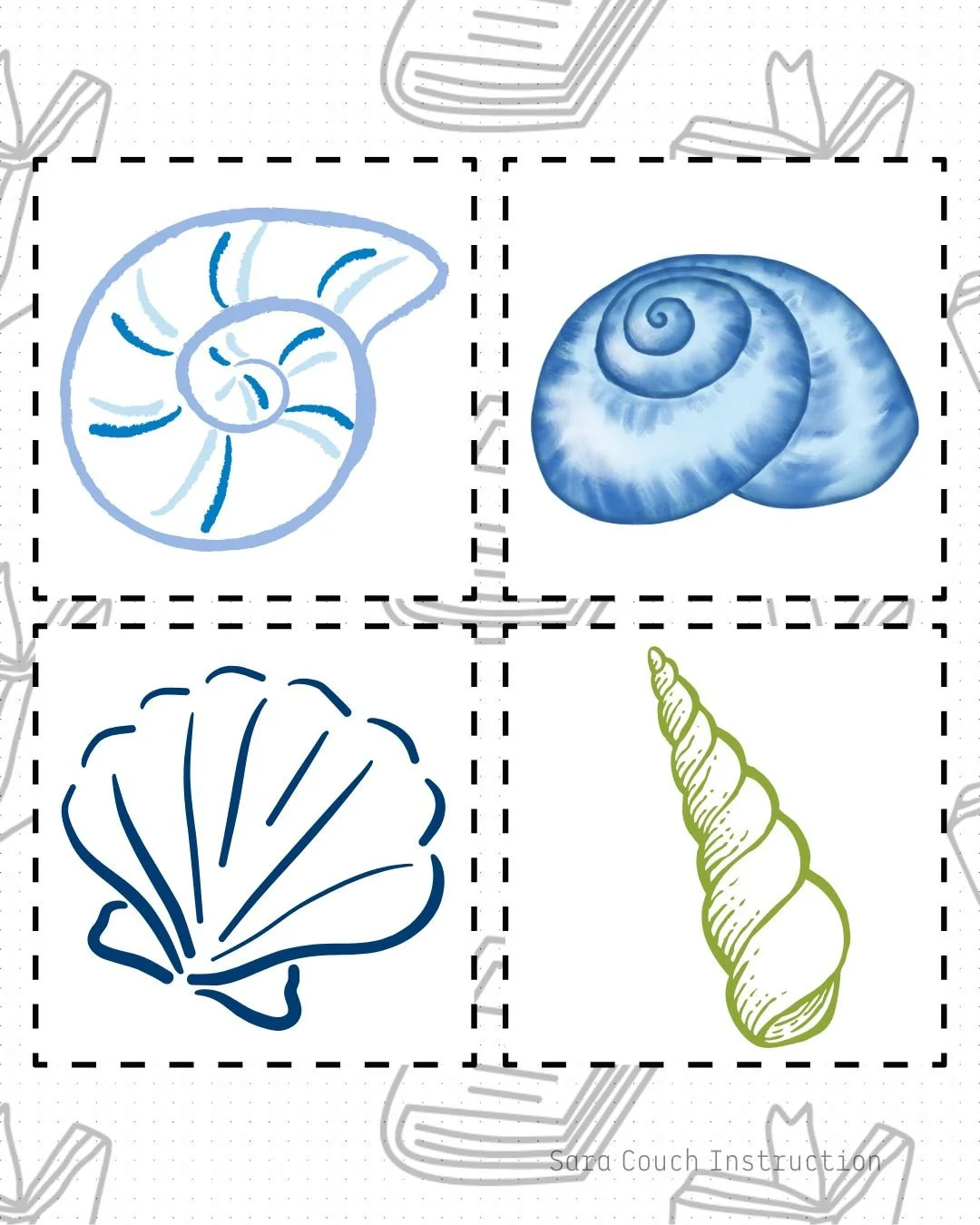
🌟 It actually started on Sesame Street!
Today, teachers use it to spark deep thinking—and there are whole websites and books dedicated to it.
At first glance, it’s simple: students are shown four items and asked, “Which one doesn’t belong?” But the best part is in the fact that there are no wrong answers—as long as a student can explain their reasoning, their answer is valid.
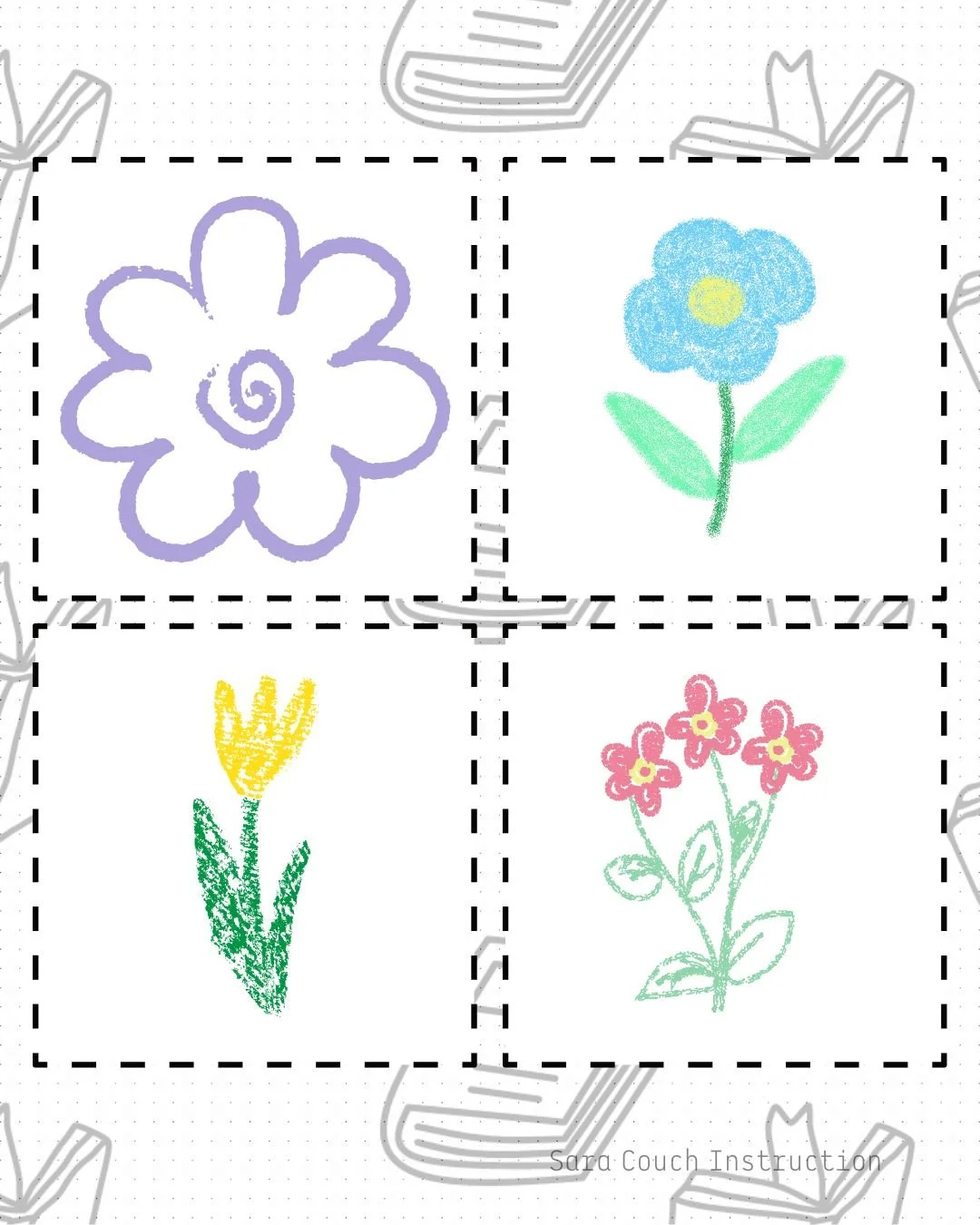
That’s why I use WODB in a few key ways:
As a warm-up: It gets brains moving and voices talking right from the start.
To co-create thinking: We often make our own WODB sets together, which adds ownership and creativity to the process.
To increase student talk time: Because there are so many possible answers, students are naturally drawn into conversation.
To support higher-level thinking: It encourages comparing, contrasting, noticing details, and justifying ideas.
To foster a respectful learning community: When students see that their thinking matters—and that there isn’t always one “right” answer—they grow as reasoners, listeners, and learners.
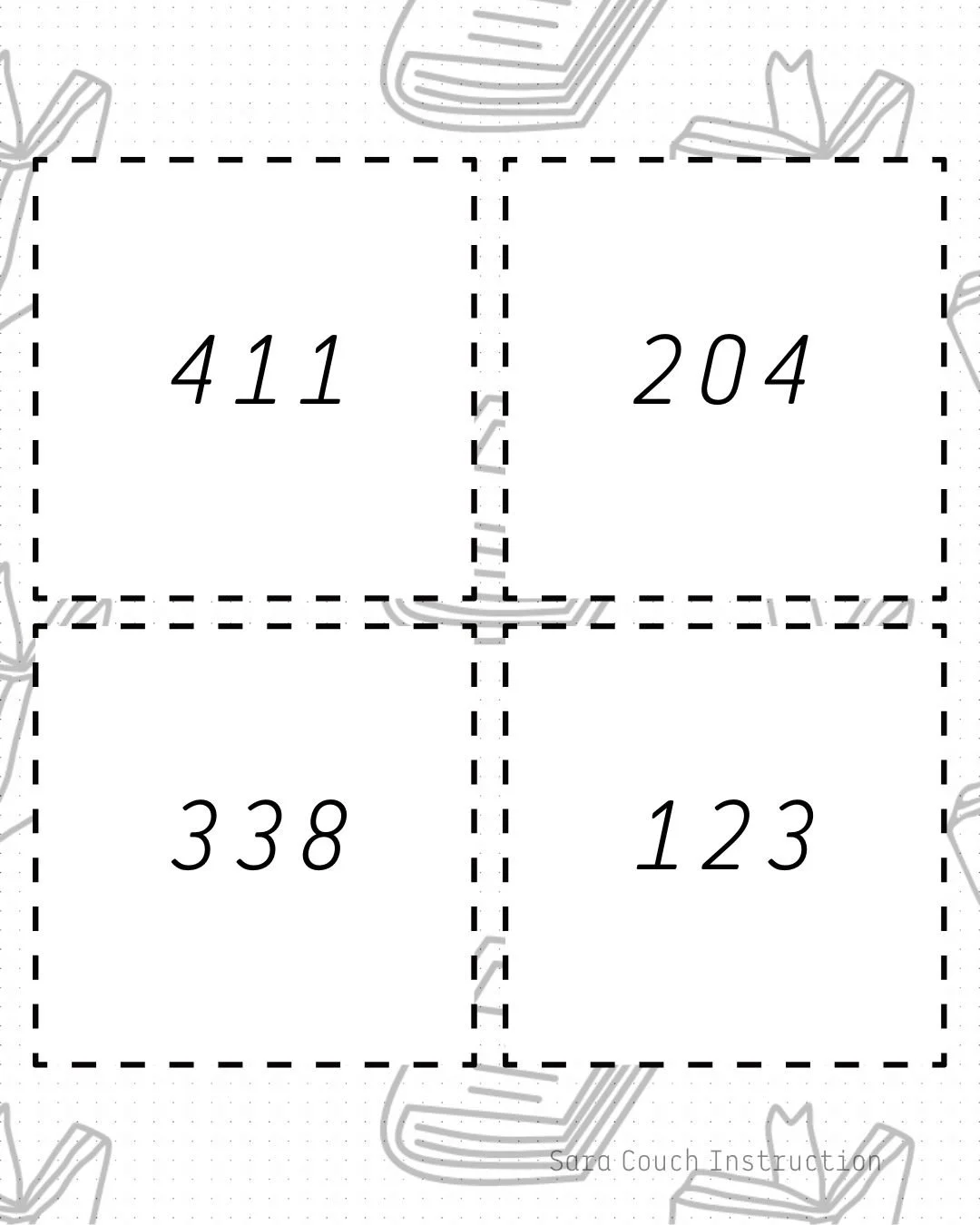
Every WODB prompt asks students to consider:
What makes these items alike?
What makes them different?
Which one doesn’t belong—and why?
And that “why” is where the learning happens.
So whether we’re talking about numbers, shapes, words, or even real-life objects, WODB helps build a classroom culture where thinking is celebrated, and all voices are valued.
💭 No wrong answers—just strong reasoning.
💭I use WODB to boost talk time, stretch thinking, and help students see from new perspectives.
✨ We even create our own WODB sets together!
Why do I love it?
Because the focus isn’t on the “right” answer—it’s on thinking about thinking!!! 🧠🌸