
“Which One Doesn’t Belong?”
🐍🐸💚🐛 In every session, I try to build in opportunities for students to think deeply, talk more, and see things from new perspectives. One of my favorite tools to spark this kind of thinking is the Which One Doesn’t Belong? (WODB) routine.
Why Count Syllables? Building Early Syllable Awareness
👏 Counting syllables is one of the very first steps in the phonological awareness ladder. It helps kids “hear” the rhythm of words before they ever connect letters and sounds. Later, that same skill supports decoding and spelling longer words.
End Blends: Simple Structured Literacy Practice
After reading words with three sounds - like cat / dog, + beginning blends like snap / clap - end blends are the next step in learning to read new words with four sounds.
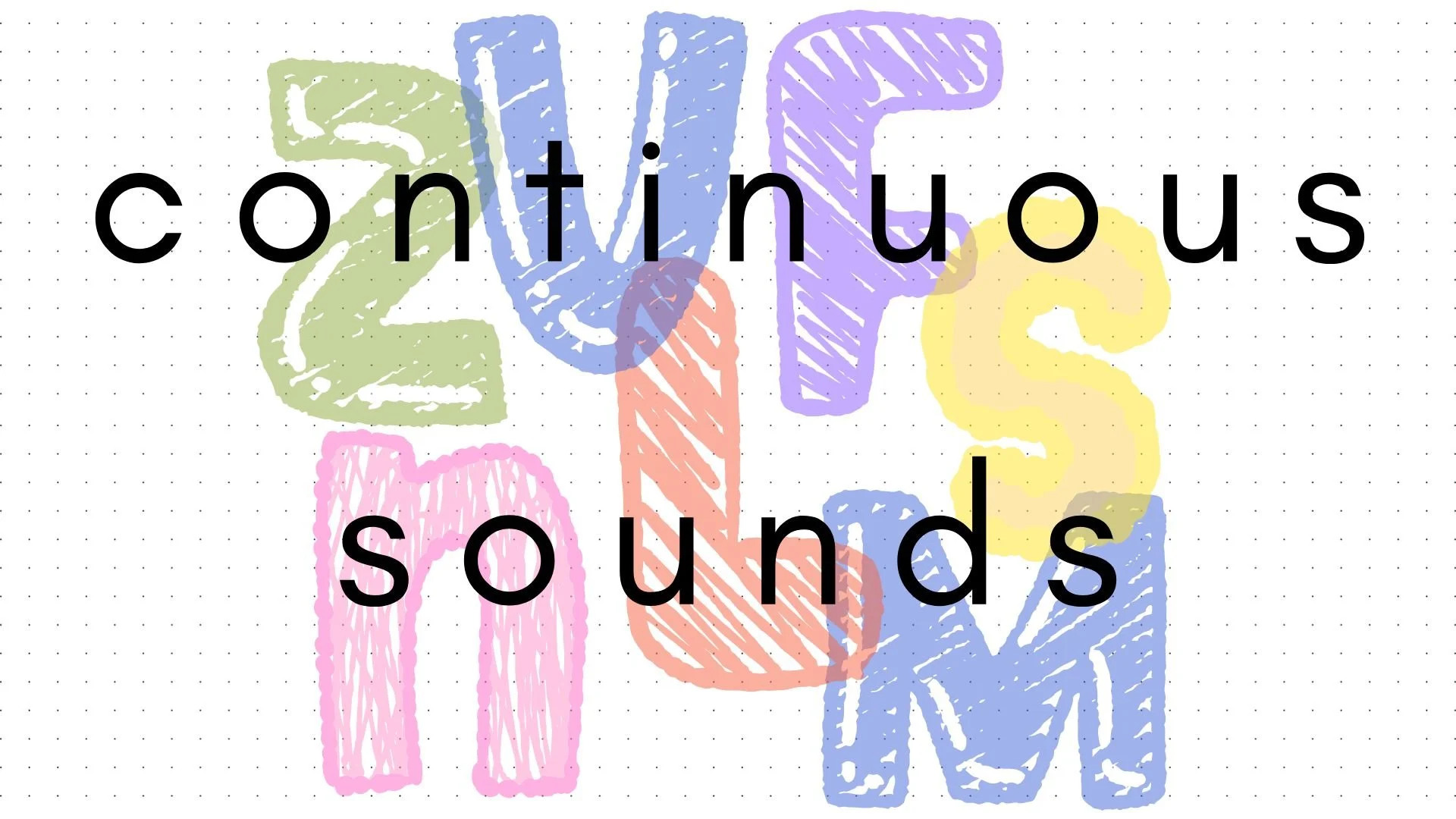
Continuous Sounds: Blending tip for beginners
Continuous sounds can continue on until you run out of air. It’s easy to stretch for a long time without adding an extra “uh” sound.
These sounds can be stretched and held - try it!
Vowels: a, e, i, o, u
Consonants: f, l, m, n, s, v, z, sh
When students are just beginning to blend sounds to read words, one tip I find especially helpful is to start with continuous sounds.
For example, blending /f/ /u/ /n/ makes the word fun! But for students who are learning to blend for the first time, this can be a tricky leap.
That’s why I focus on continuous sounds—sounds you can stretch without changing.

Beginning Blends: Simple Structured Literacy Practice
After reading words with three sounds, like cat / dog, beginning blends are the next step in learning to read new words with four sounds.

What does structured literacy look like?
A great video that highlights what structured literacy is and how to use this strategy with grade school and middle school students.